Professional training programs at the CNAC
Train, support, develop
Pôle Formations
+33 (0)3 26 21 80 48
formations@cnac.fr
Dedicated to supporting professionals, the CNAC uses continuing professional development as a means of achieving excellence and enhancing professional standing.
Through a diverse range of continuing professional development courses, certification programmes and the VAE scheme, the CNAC supports artists, technicians and teachers in developing their skills throughout their careers.
Developed in collaboration with expert educators, artists and partners from the cultural and training sectors, these programmes are part of a collaborative approach tailored to the sector’s evolving needs.
With Qualiopi certification for all its training programmes, the CNAC guarantees support that is recognised for its quality and high standards.
Personalised online portal
Trainees can now register directly via our digital platform. This platform manages registration, monitoring and support throughout the training programme.
Each participant has a secure personal account, allowing them to access all their learning resources, administrative and training documents, as well as communications with the supervisory team, thereby ensuring continuity and high-quality educational support.
Training Catalogue
Discover our range of vocational training courses for 2026/2027 and find the one that will help you achieve your goals:
Master Class
- Masterclass: One-to-one and group work
- Masterclass : Choreographic composition in acrobatics
- Masterclass : Handstands
Healt and wellbeing Training
Technical Training
- Rigger
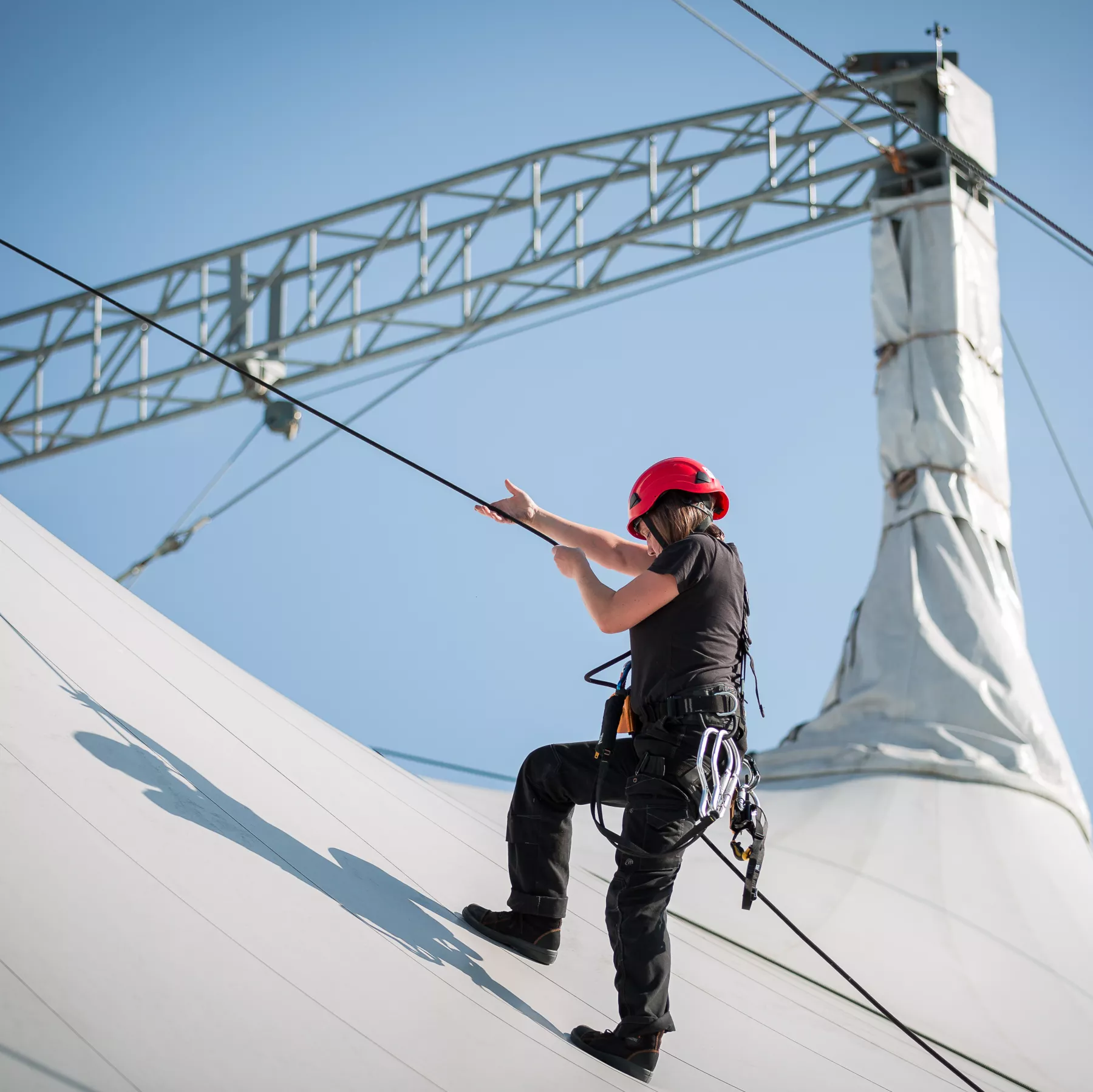
- Working at height in the performing arts
- The Bip Top and its Setup
- Introduction to Circus RiggingTechnique
- Circus Equipment maintenance
Artistic training
- Vertical dance and installations in public spaces
- Magical storytelling
- Clowning, rind side
- Circus dramaturgy
- Top-class choreography: from the trampoline to the Acronet
Educational training
Customized Training
To meet the specific needs of each organization or learner, the CNAC offers customized training programs.
These programs are designed based on the participants’ objectives, profiles, and the skills to be developed, ensuring a response tailored to their professional expectations.
To this end, CNAC draws on its recognized expertise in the circus arts, its educational, technical, and research teams, as well as all of its specialized resources and equipment, to provide high-quality support and a personalized training experience.
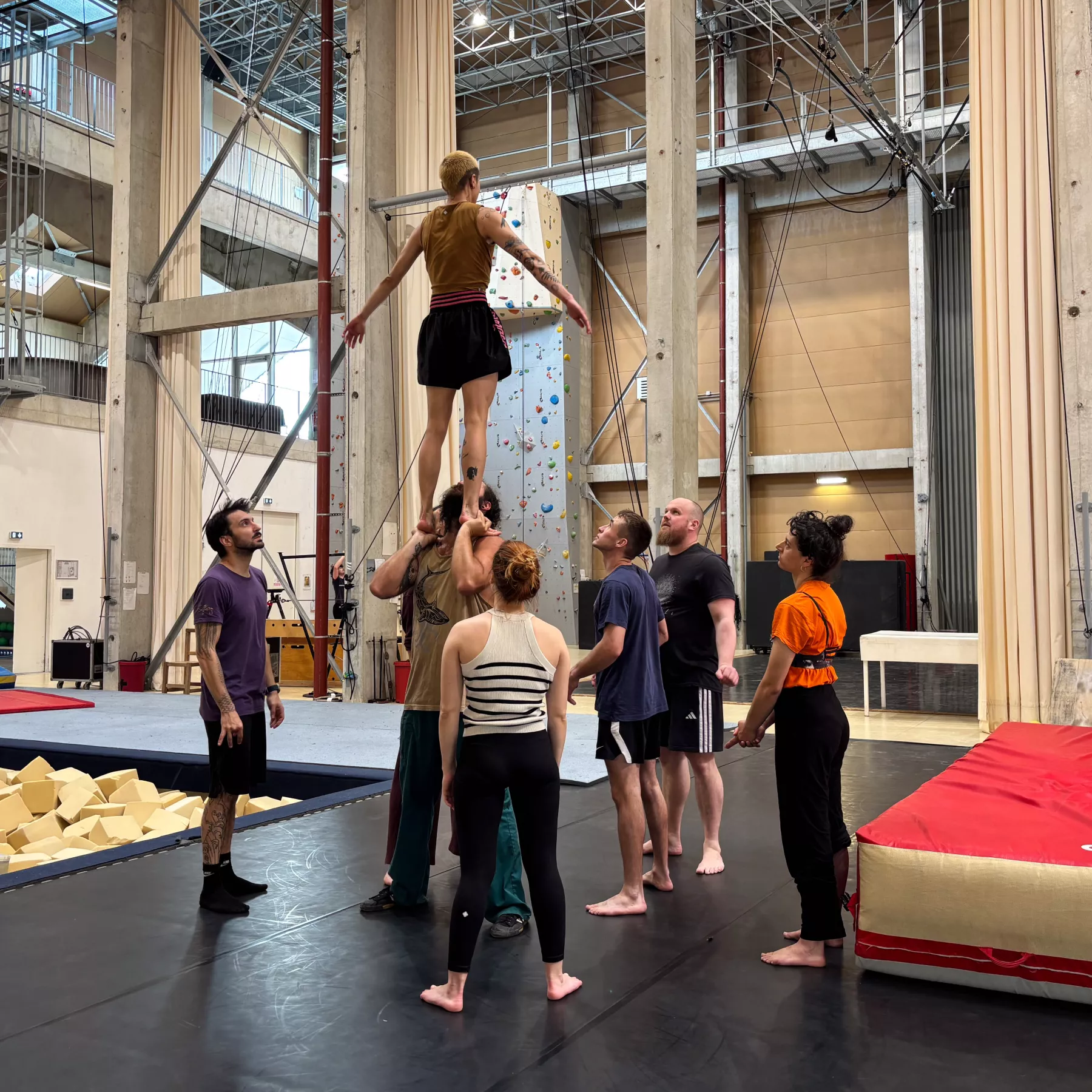
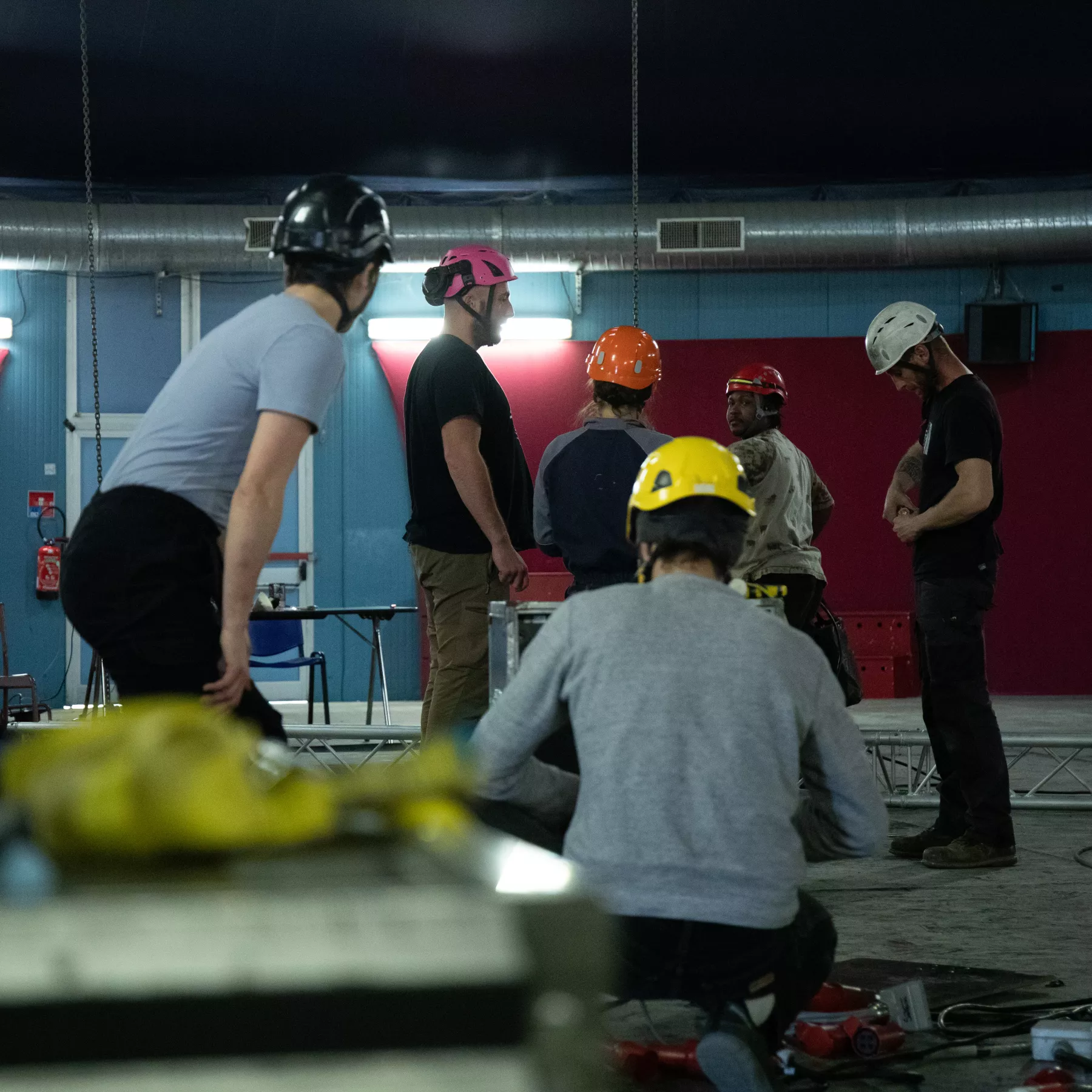
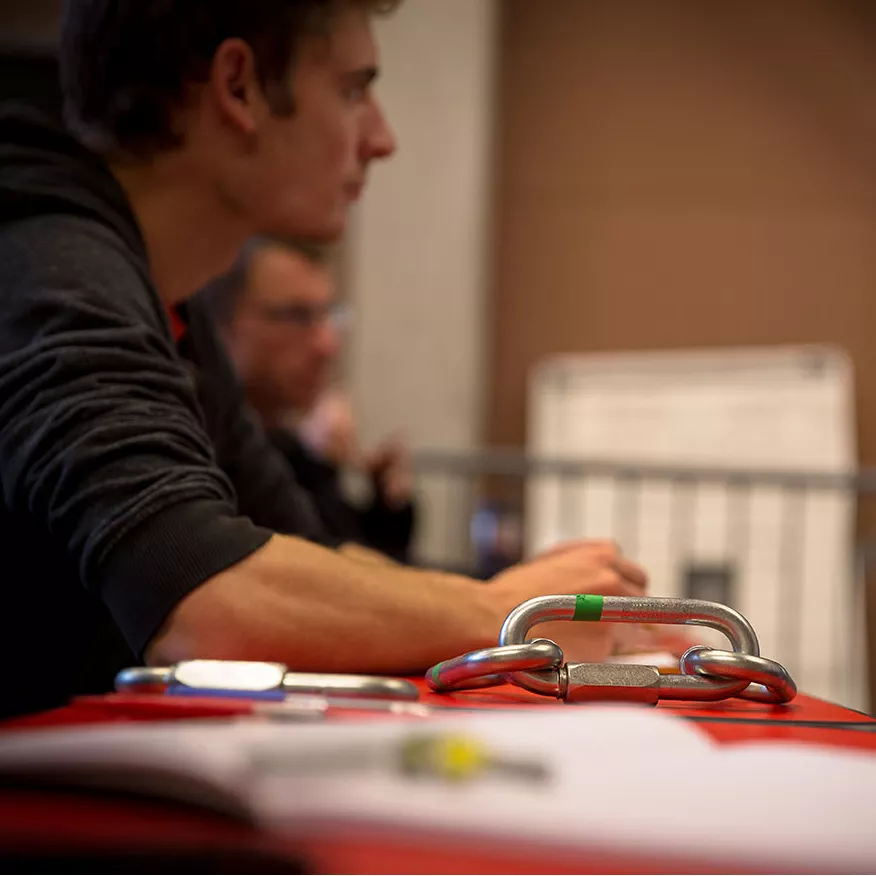
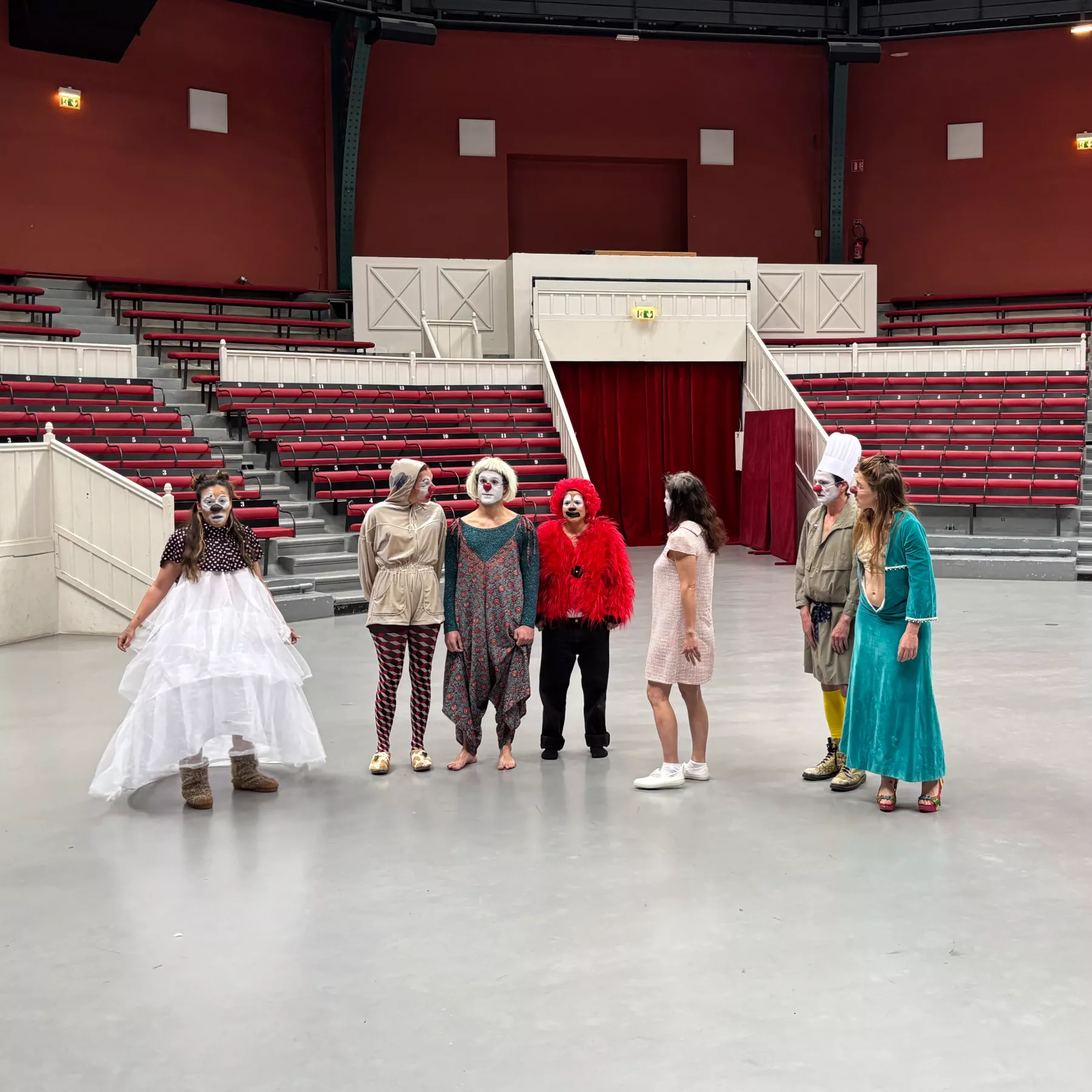
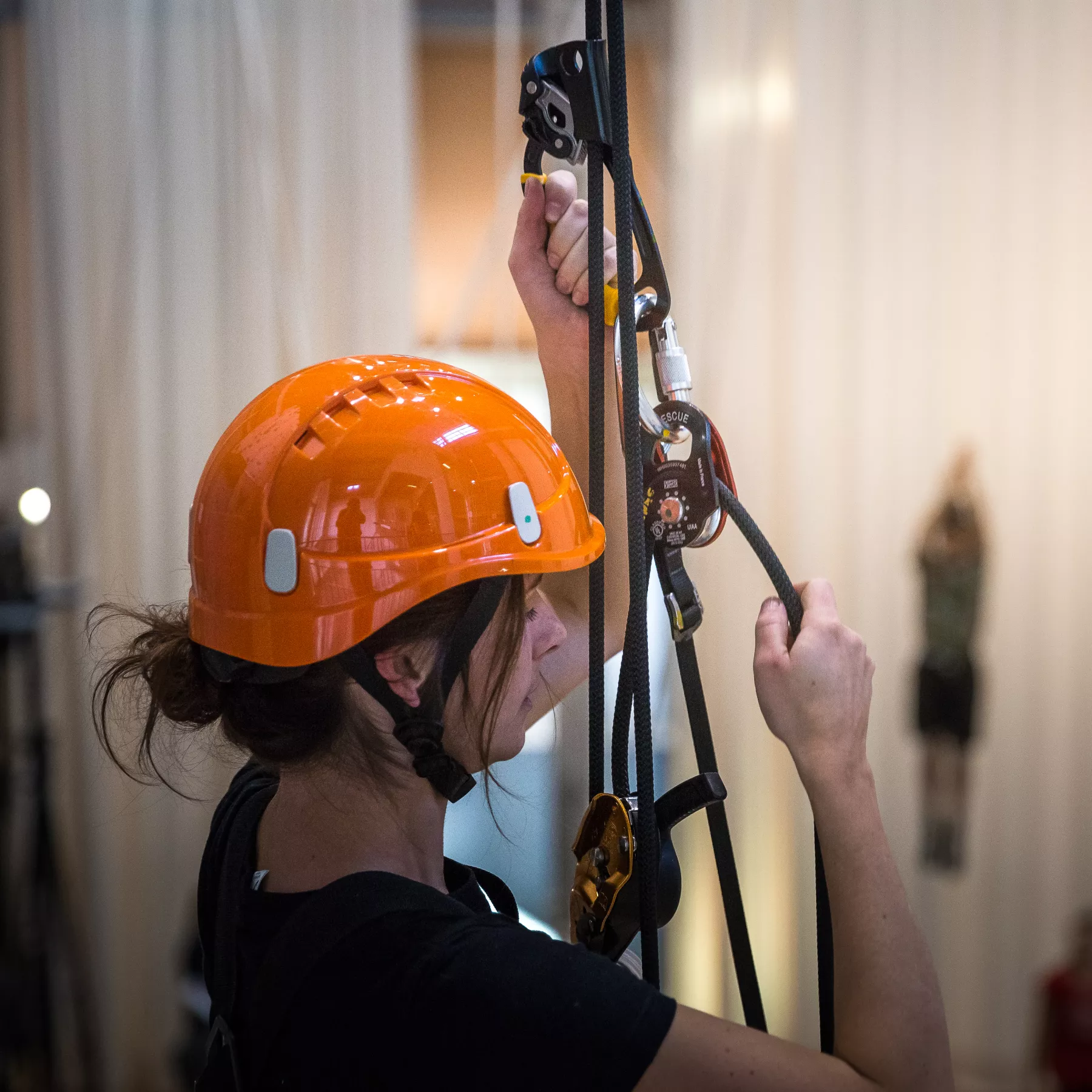
Training programs in pictures
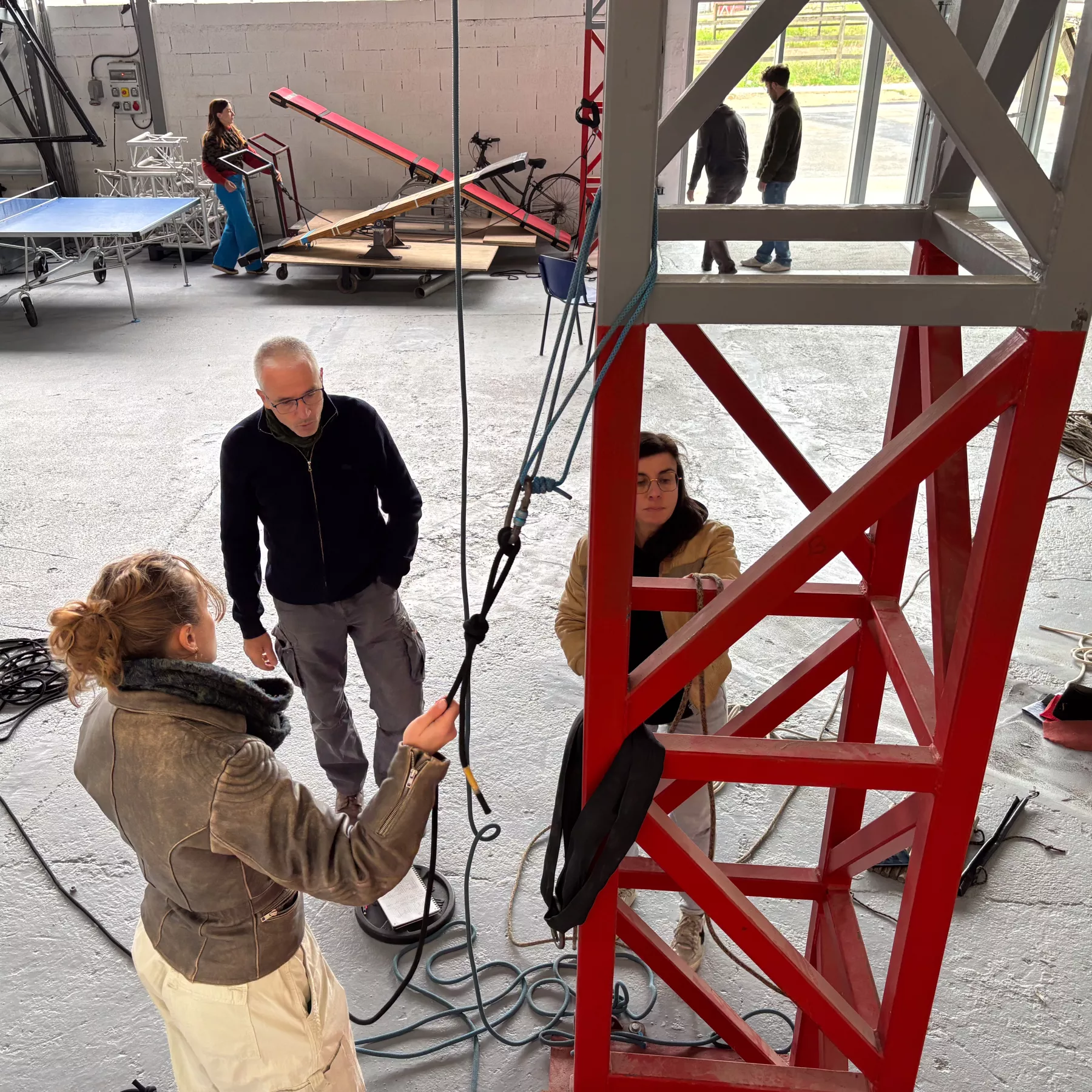
How to prepare for a training session
L’inscription se déroule comme suit :
• Contact the teaching team
Before registering, you can reach out to our team to get more information.
• Complete your online pre-registration
On the page for the course you’re interested in, click the “Register” button to start the process.
• Receive the quote and course outline
Following your pre-registration, a personalized quote and a detailed course outline will be sent to you.
• Prepare your application materials
You will need to submit the following documents: resume, cover letter, a recent photo, and a photocopy of a valid form of identification
• Confirmation of your application
After your application is reviewed, you will receive a response confirming whether or not you have been selected by the application deadline.
Additional documents may be requested depending on the program’s prerequisites.
• Funding Approval
Once the financial support agreement has been approved and communicated to the CNAC, your enrollment will be finalized.
After receiving your pre-registration, the CNAC will send you a quote and a detailed training program.
To be eligible for coverage of tuition costs:
• Check your financing options,
• Obtain the required documents from the CNAC,
• Prepare and submit your application, making sure to meet the deadlines.
All of our training programs may be funded—subject to certain conditions—by:
• The Personal Training Account (CPF): This funding is available only for certification programs (registered with the RNCP or RS)
• The OPCO (Skills Operator): AFDAS (the OPCO for culture, communication, and the performing arts), or the OPCO corresponding to your industry, covers all or part of the tuition costs as part of your individual training plan
• France Travail: If you are a job seeker, you can apply for Individual Training Assistance (AIF).
• Regional Councils: Depending on where you live, your region may offer financial assistance to facilitate access to certain training programs.
• Employer funding: Your company or organization may fund the training as part of a skills development plan or through its OPCO (Skills Operator).
• Personal funding: You can fund your training yourself, either in full or to supplement another funding source.
Master Class
- Masterclass: One-to-one and group work
- Masterclass : Choreographic composition in acrobatics
- Masterclass : Handstands
Healt and wellbeing Training
Technical Training
- Rigger
- Working at height in the performing arts
- The Bip Top and its Setup
- Introduction to Circus RiggingTechnique
- Circus Equipment maintenance
Artistic training
- Vertical dance and installations in public spaces
- Magical storytelling
- Clowning, rind side
- Circus dramaturgy
- Top-class choreography: from the trampoline to the Acronet
Educational training
- Introducing amateur audiences to acrobatics
- Introducing amateur audiences to balacing atrs
- Introducing amateur audience to acrobatic lifts
For more information and to register for a professional training course, visit the dedicated page in our training catraining catalog
The CNAC received a total of 300 applications.
• 18 training programs were held out of the 22 proposed, with 4 courses canceled.
• 242 trainees participated in continuing education, comprising 113 men and 129 women, with women accounting for 54% of the total.
• 38 candidates prepared for a Recognition of Prior Learning (RPL) assessment for two degrees: the National Advanced Professional Degree in Circus Arts and the State Certificate in Circus Instruction.
• A total of 13,462 hours of training were provided, including 216 hours dedicated to RPL support.
• 45 instructors were recruited, including 30 men and 15 women, as well as 1 VAE advisor (a CNAC employee).